Area: 6,514.5 sq. km.
Population: 622.168 habitants (2019).
Capital: Gia Nghia Town.
Districts: Dak Glong, Dak R'Lap, Dak Mil, Dak Song, Cu Jut, Krong No.
Ethnic groups: Viet (Kinh), E De, Nung, M'Nong, Tay...
Dak Nong Province is located on Central Highlands. It is surrounded by Dak Lak Province on the north, Lam Dong Province on the east and south-east, Binh Phuoc Province and Cambodia on the west.
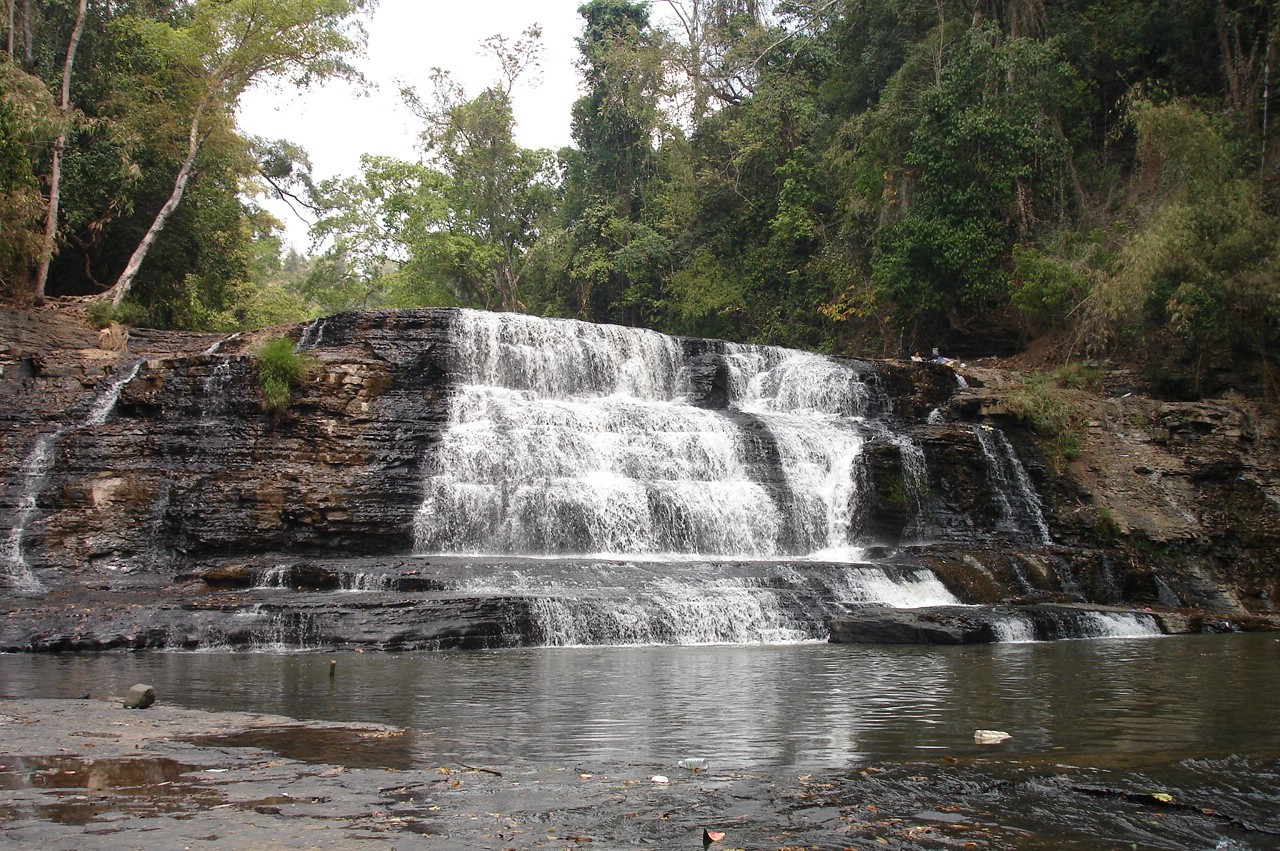
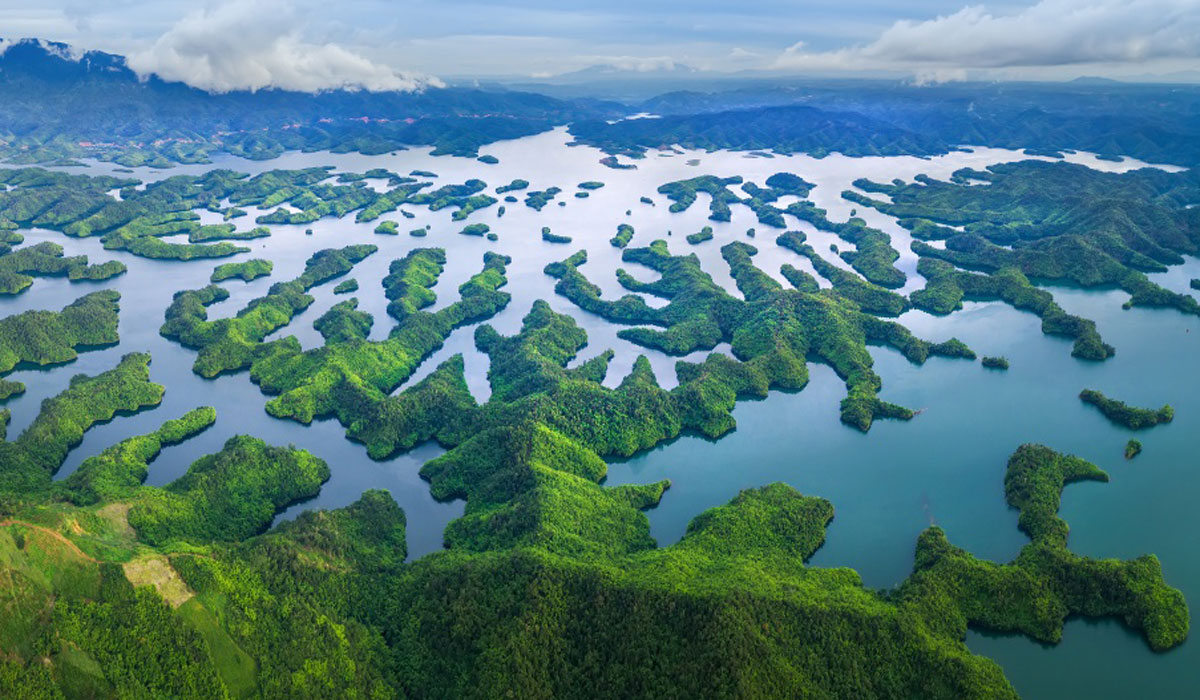
Dak Nong has even and flat terrain with vast plain and plenty of grasslands on the east. The south is flood plain with many lakes and lagoons. There are main rivers such as Ba, Serepok, other small rivers, and high waterfalls.
Climate: The weather is quite temperate. The average temperature is 240C. The dry season extends from November to April following year. It is windy, cold and dry. The rainy season lasts from May to October with high amount of rainfall.
Transportation: Dak Nong has transportation mainly by road. Gia Nghia Town is 245km from Ho Chi Minh City by National Highway No. 14 then No.13, 84km from Di Linh (Lam Dong) by National Highway No. 28, 179km from Phan Thiet (Binh Thuan) by National Highway No. 28, and 125km from Buon Ma Thuot (Dak Lak) by National Highway No. 14.
 Latest News
01/05/2026
When travelers think of Vietnam, names like Hanoi, Halong Bay, Hoi An, or Ho Chi Minh City often come to mind. These iconic destinations are popular for good reason. However, beyond the well-trodden routes lies another Vietnam — quieter, more authentic, and deeply connected to nature and local culture. For travelers who have already visited Vietnam or those seeking meaningful, off-the-beaten-path experiences, the country offers many lesser-known destinations that remain largely untouched by mass tourism. Here are some of Vietnam’s hidden gems worth discovering.
12/04/2025
Vietnam Airlines announced that starting May 17, 2025, all its domestic flight operations will be relocated to the newly opened Terminal T3 at Tan Son Nhat International Airport.
11/07/2025
In Vietnam, coffee is not merely a drink - it is a way of experiencing life. It is conversation, stillness, memory, rhythm, and a quite ritual that unfolds throughout the day. From the shaded sidewalks of Hanoi to the breezy riverside cafe in Saigon, coffee in Vietnam reflects the character of each region: refined, poetic, bold, and deeply personal. To travel through Vietnam is to follow the aroma of roasted beans, the whisper of coffee filters dripping slowly, and the soft clinking of glasses in morning life. Featured Tours