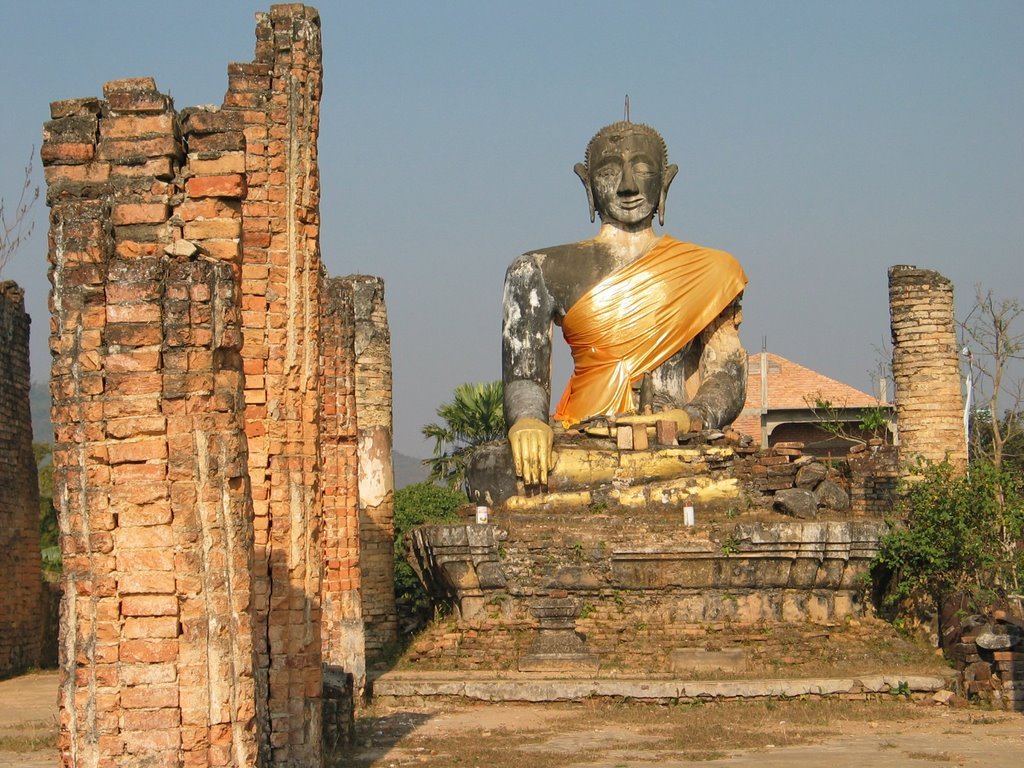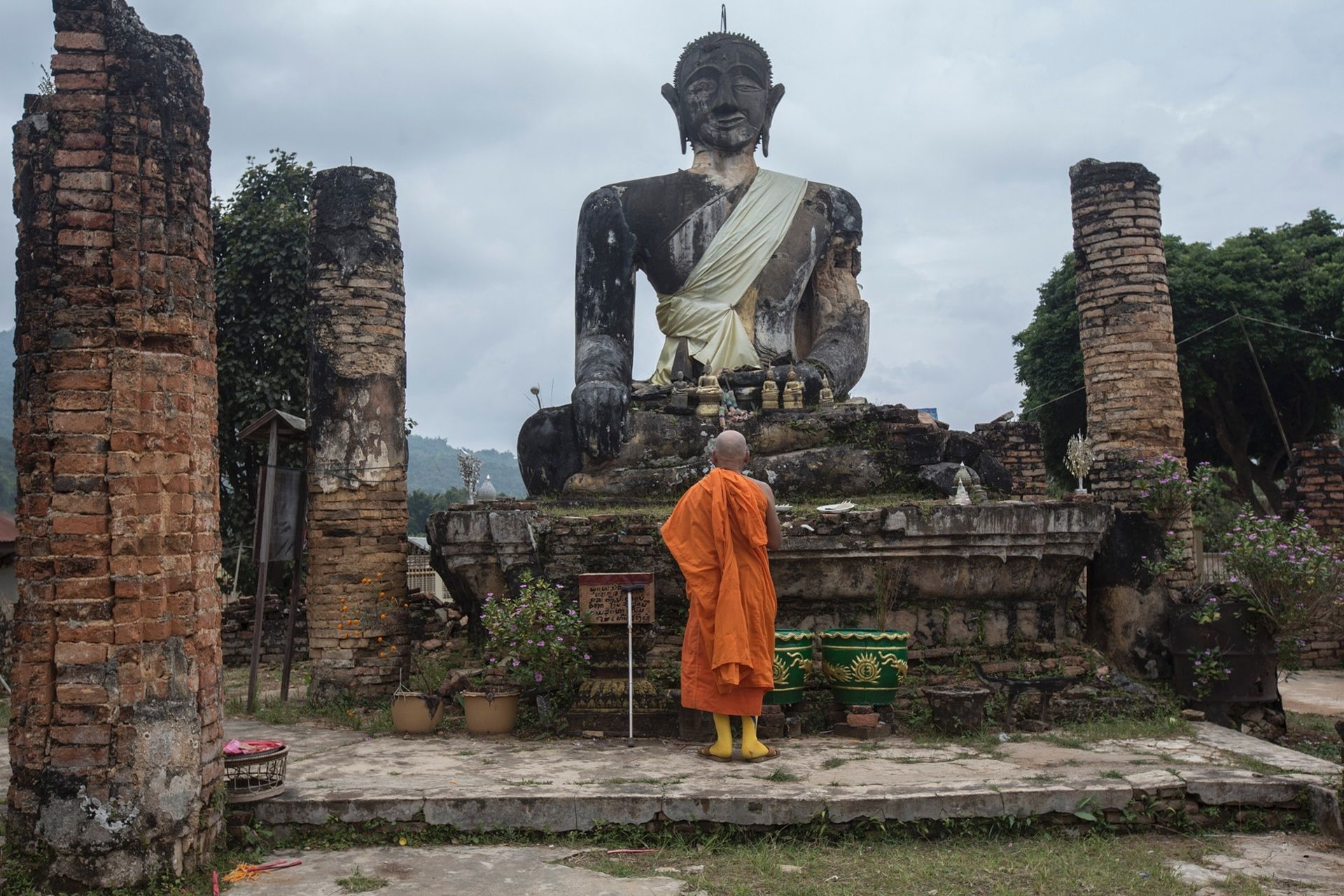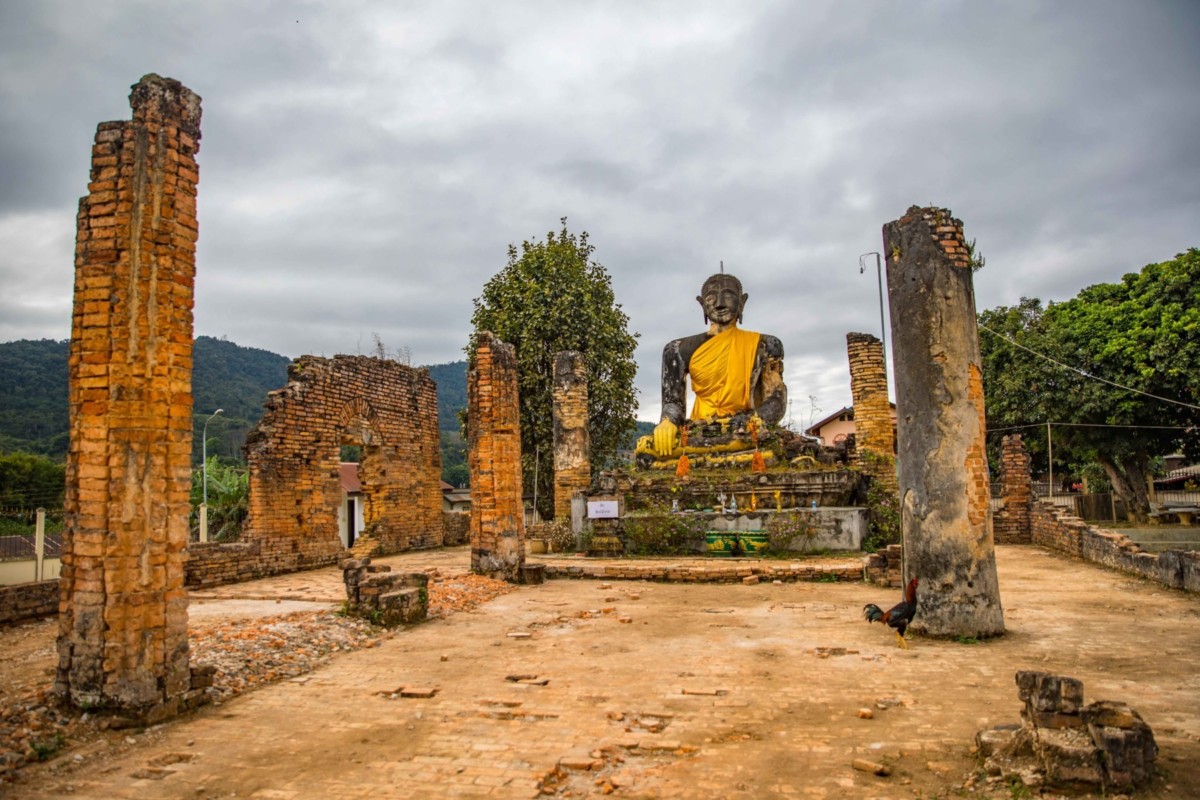
A ghost of its former self, MUANG KHOUN, old Xieng Khuang, 35km southeast of Phonsavan, was once the royal seat of the minor kingdom Xieng Khuang, renowned in the sixteenth century for its 62 opulent stupas, whose sides were said to be covered in treasure. Years of bloody invasions by Thai and Vietnamese soldiers, pillaging by Chinese bandits in the nineteenth century and a monsoon of bombs that lasted nearly a decade during the Second Indochina War taxed this town so heavily that, by the time the air raids stopped, next to nothing was left of the kingdom’s exquisite temples. The town was all but abandoned, and centuries of history were drawn to a close. All that remains of the kingdom’s former glory is an elegant Buddha image towering over ruined columns of brick at Wat Phia Wat, and That Dam, both of which bear the scars of the events that ended Xieng Khuang’s centuries of rich history. Although the town has been rebuilt and renamed, it has taken a back seat to Phonsavan, and, with little in the way of amenities for travellers – there are a few fõe shops around the market, but no hotel – it’s most convenient to visit Muang Khoun as a day-trip.
A long row of low-slung wooden shophouses springs up along the road from Phonsavan in the shadow of towering That Dam, signalling your arrival in Muang Khoun. A path alongside the market leads up to the blackened hilltop stupa, the base of which has been tunnelled straight through to the other side by treasure seekers hoping to find more than a simple bone of the Enlightened One inside. A British surveyor who travelled through the area in the service of the Siamese king in 1884 – shortly after the invasions by Chinese Haw – surmised that the bandits pillaged the stupa, making off with 7000 rupees’ weight of gold. Continuing on the main road beyond the market, you’ll pass the ruins of a villa, the only reminder that this town was once a temperate French outpost of ochre colonial villas and shophouses, and arrive at the ruins of sixteenth-century Wat Phia. Brick columns reach skywards around a seated Buddha of impressive size, a mere hint at the temple architecture for which the city was renowned. The more recent temple of Wat Siphoum, the uninspiring structure nearest the market, bears little trace of the old designs for which the city’s monasteries were known and serves notice of how much of Xieng Khuang’s culture has been lost.
 Latest News
01/05/2026
When travelers think of Vietnam, names like Hanoi, Halong Bay, Hoi An, or Ho Chi Minh City often come to mind. These iconic destinations are popular for good reason. However, beyond the well-trodden routes lies another Vietnam — quieter, more authentic, and deeply connected to nature and local culture. For travelers who have already visited Vietnam or those seeking meaningful, off-the-beaten-path experiences, the country offers many lesser-known destinations that remain largely untouched by mass tourism. Here are some of Vietnam’s hidden gems worth discovering.
12/04/2025
Vietnam Airlines announced that starting May 17, 2025, all its domestic flight operations will be relocated to the newly opened Terminal T3 at Tan Son Nhat International Airport.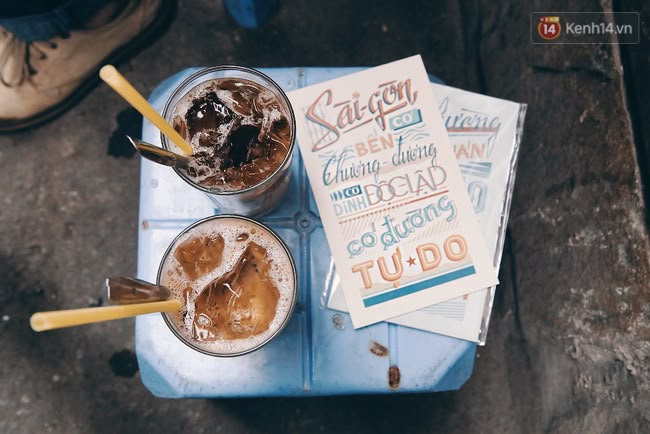
11/07/2025
In Vietnam, coffee is not merely a drink - it is a way of experiencing life. It is conversation, stillness, memory, rhythm, and a quite ritual that unfolds throughout the day. From the shaded sidewalks of Hanoi to the breezy riverside cafe in Saigon, coffee in Vietnam reflects the character of each region: refined, poetic, bold, and deeply personal. To travel through Vietnam is to follow the aroma of roasted beans, the whisper of coffee filters dripping slowly, and the soft clinking of glasses in morning life. Featured Tours