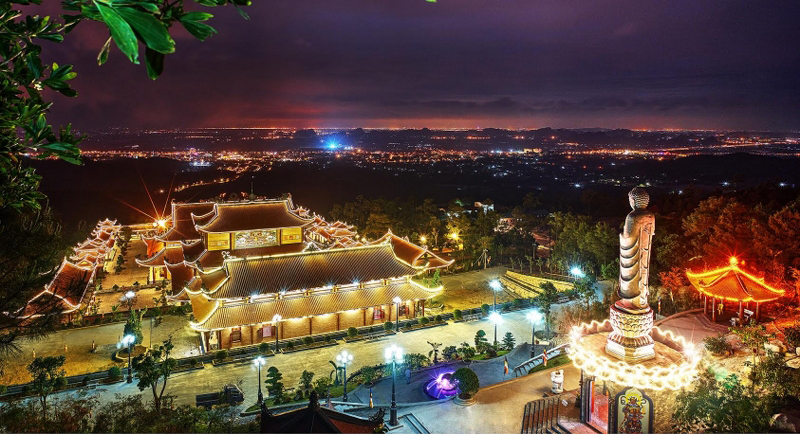
Area: 5,899.6 sq. km
Population: 1.320.324 habitants (2019).
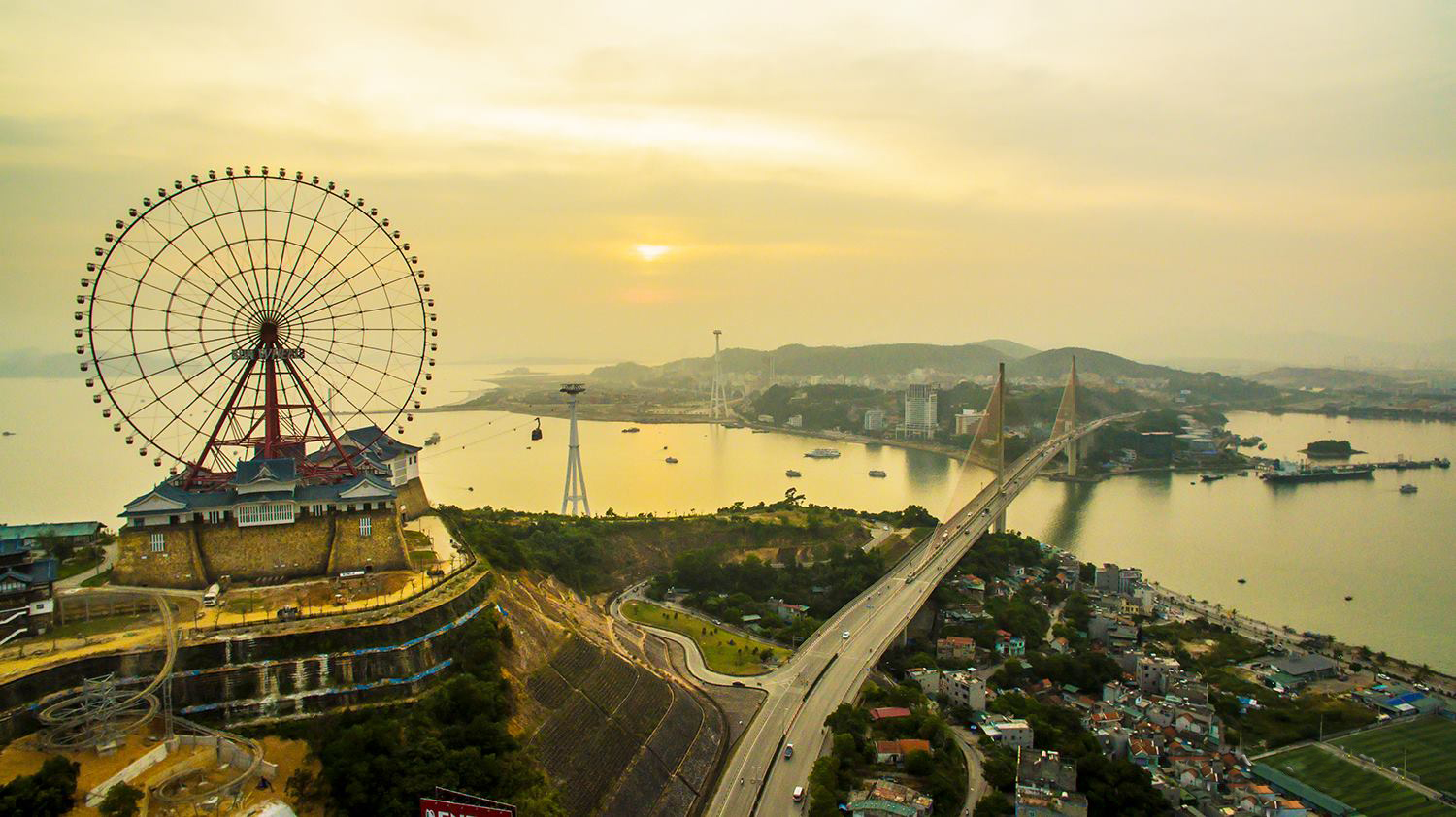
Capital: Halong City
Administrative divisions:
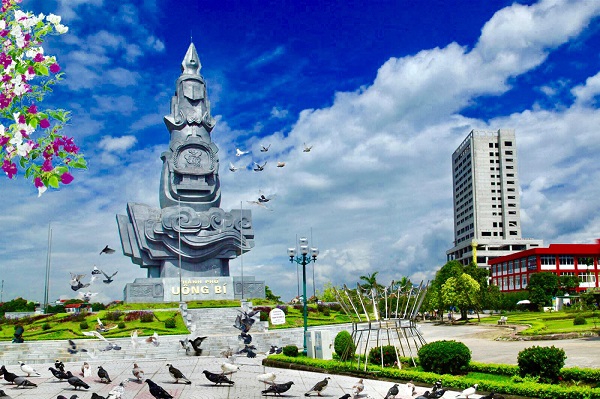
- Towns: Cam Pha, Mong Cai, Uong Bi;
- Districts:Ba Che, Binh Lieu, Hai Ha, Dam Ha, Tien Yen, Van Don, Hoanh Bo, Dong Trieu, Co To, Yen Hung.
Ethnic groups: Viet (Kinh), Tay, Dao, San Chay, San Diu, Hoa...
Quang Ninh is a mountainous and coastal province, with more than 80% of its area being made up of mountains and hills.The sea and island zone of Quang Ninh has a unique terrain. There are more than 2,000 islands, making up two thirds of the Vietnam's islands. They extend along the coast for more than 250km and divide into numerous layers. The largest islands are Cai Bau and Ban Sen, while the smallest are just like rocks in a garden. The sea bottom terrain of Quang Ninh isn't smooth, and 20m-average depth. There are the remnants of ancient streams and underwater rocky banks. The streams from the mainland connect to deep drains along the sea-floor; creating a series of waterways, canals and harbors along the coast.
Climates:Quang Ninh's climate is symbolic of the climate in the North Vietnam; featuring all four seasons. In summer, it's hot, humid and rainy, while monsoons flourish. In winter, it's cold, dry, and sometime rainly.
The average heat radiating during a year is 115.4 Kcal/sq. cm. The average temperature is over 210C, while the average humidity is 84%. Annual rainfall totals between 1,700 and 2,400mm, and there can be between 90 to 170 rainy days in a year. These are mainly concentrated in the summer (more than 85%), and especially in the months of July and August. In winter, rainfall only reaches between 150 and 400mm.
In comparison to other provinces in the north, Quang Ninh has been more under the influences of north-eastern monsoons. The wind blows strongly and the temperature drops to between 1 and 30C. During a north-eastern monsoon, high mountainous regions such as Binh Lieu and Hai Ha, Dam Ha sometimes see the temperature drop below 00C.
Storms have a large influence on the province, mainly in June, July and August. The intensity can be extremely strong, especially in island and coastal regions.
Due to differences in terrain, the climate of sub-regions vary. The border area of the Mong Cai Town is colder and rainy, with an average temperature of around 220C and rainfall reaching 2,751mm. In the Yen Hung District, the most southern area, the average temperature is 240C and sees an average rainfall of 1,700mm. The high mountainous region of Hoanh Bo, and Ba Che Districts, is victim to 20 days of frost a year, and is subject to little rainfall. In the Binh Lieu District there is heavy rain (2,400mm) and winter lasts for six months. The offshore island region is not the wettest area, with only 1,700 to 1,800mm of rainfall per year, but winter is often accompanied by thick mists.
Ethnic groups
Ethnologically, Quang Ninh is made up of 21 ethnic groups, but only 6 have a population of over 1,000. These groups live in their own communities, and have their own dialects and particular ethnic features. They include the Viet (Kinh), Dao, Tay, San Diu, San Chi and Hoa. After these, there are two ethnic groups with populations of several hundred: the Nung and Muong. The remaining 14 have populations of less than 100: the Thai, Khmer, Hre, H'Mong, E De, Co Tu, Gia Rai, Ngai, Xo Dang, Co Ho, Ha Nhi, Lao. These originate from remote centres in the Central Highlands.
Among the major ethnic groups, the Kinh make up 89.2% of the ethnic population. The Dao have two main branches: the Thanh Y and Thanh Phan. They conserve their particular ethnic features such as dialect, clothing and traditional festivals, and some continue practices of nomadic farming. The Tay, San Diu and San Chi live in low mountainous areas, chiefly relying on agriculture, in particular the production of wet rice. The Hoa include many ethnic minorities, having immigrated from China many years ago. A small portion is Chinese residents who come to deal in commerce and handicrafts and live in townlets in eastern areas. Most live in the country, relying on agriculture, fishing and forestry.
Transportation
Road:- Hanoi - Bac Ninh - Halong: 155km. This is the shortest land route from Hanoi to Halong.
- Hanoi - Hai Duong - Halong: 163km.
- Mong Cai - Halong: 180km. From Mong Cai go along National Highway No.4B via Hai Ha, Dam Ha then take National Highway No.18B through Cua Ong, Cam Pha, Hon Gai to Bai Chay.
Every day runs a train depart from Yen Vien Railway Station (Gia Lam District, Hanoi) for Halong at 4.50am and arrive at 11.40am.
Air:Offers a helicopter flight every Saturday from Gia Lam Airport (Hanoi), departing at 8 am and returning at 3 pm.
Waterways:It is convenient for visitors to travel to Halong Bay. Hon Gai Port and the boat system in Halong Bay have the capacity to serve many visitors.
 Latest News
01/05/2026
When travelers think of Vietnam, names like Hanoi, Halong Bay, Hoi An, or Ho Chi Minh City often come to mind. These iconic destinations are popular for good reason. However, beyond the well-trodden routes lies another Vietnam — quieter, more authentic, and deeply connected to nature and local culture. For travelers who have already visited Vietnam or those seeking meaningful, off-the-beaten-path experiences, the country offers many lesser-known destinations that remain largely untouched by mass tourism. Here are some of Vietnam’s hidden gems worth discovering.
12/04/2025
Vietnam Airlines announced that starting May 17, 2025, all its domestic flight operations will be relocated to the newly opened Terminal T3 at Tan Son Nhat International Airport.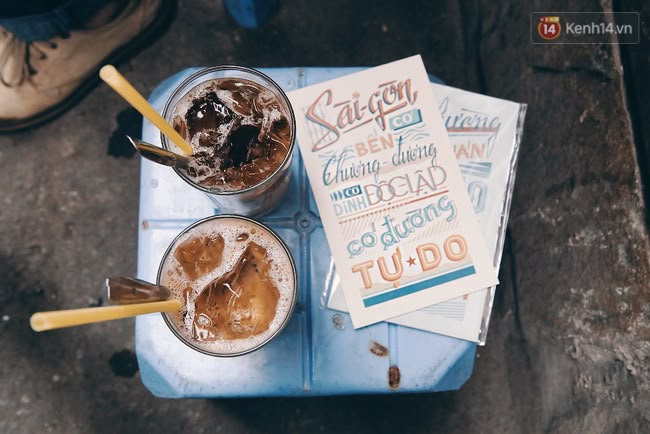
11/07/2025
In Vietnam, coffee is not merely a drink - it is a way of experiencing life. It is conversation, stillness, memory, rhythm, and a quite ritual that unfolds throughout the day. From the shaded sidewalks of Hanoi to the breezy riverside cafe in Saigon, coffee in Vietnam reflects the character of each region: refined, poetic, bold, and deeply personal. To travel through Vietnam is to follow the aroma of roasted beans, the whisper of coffee filters dripping slowly, and the soft clinking of glasses in morning life. Featured Tours