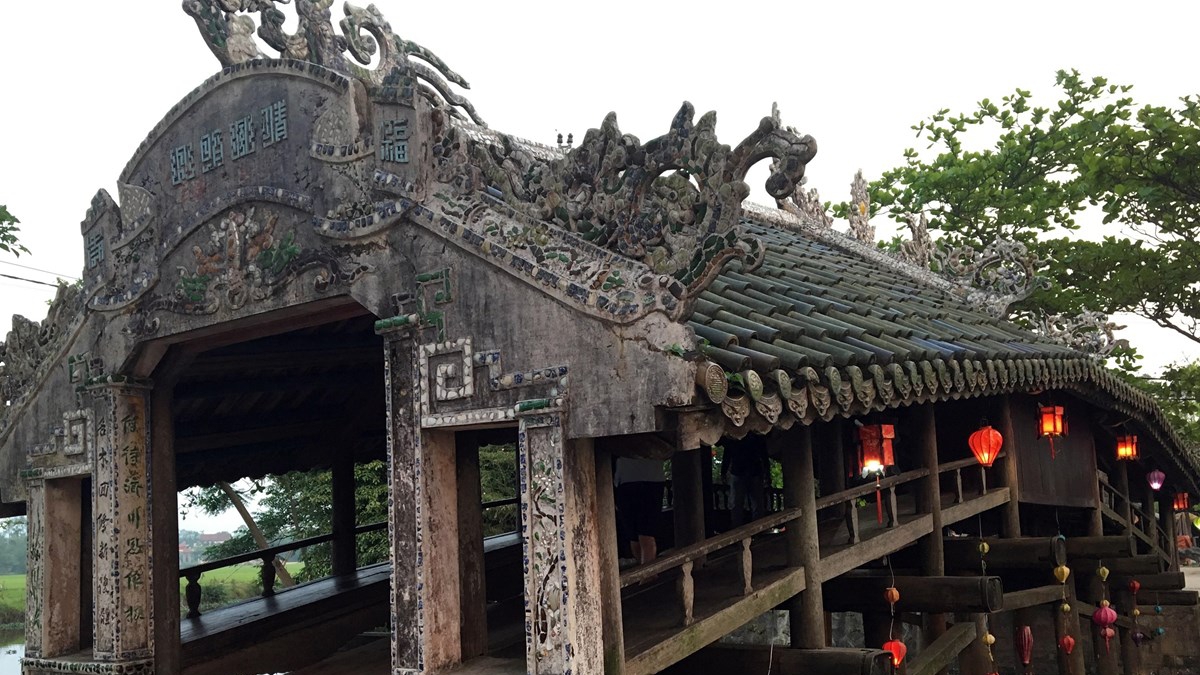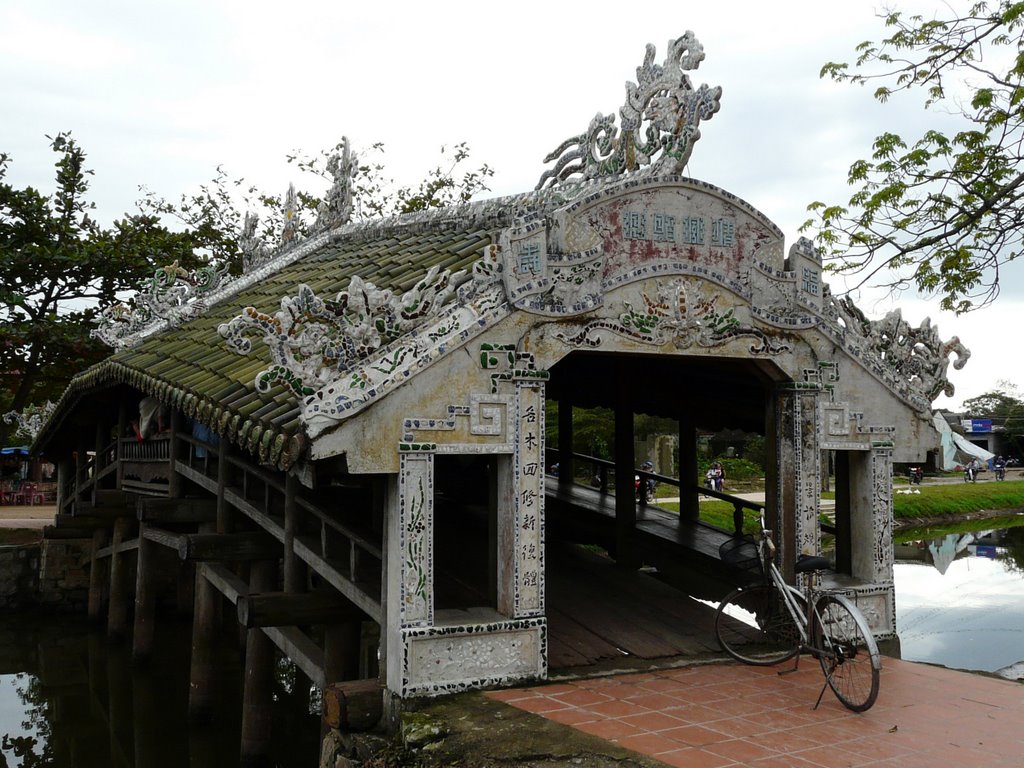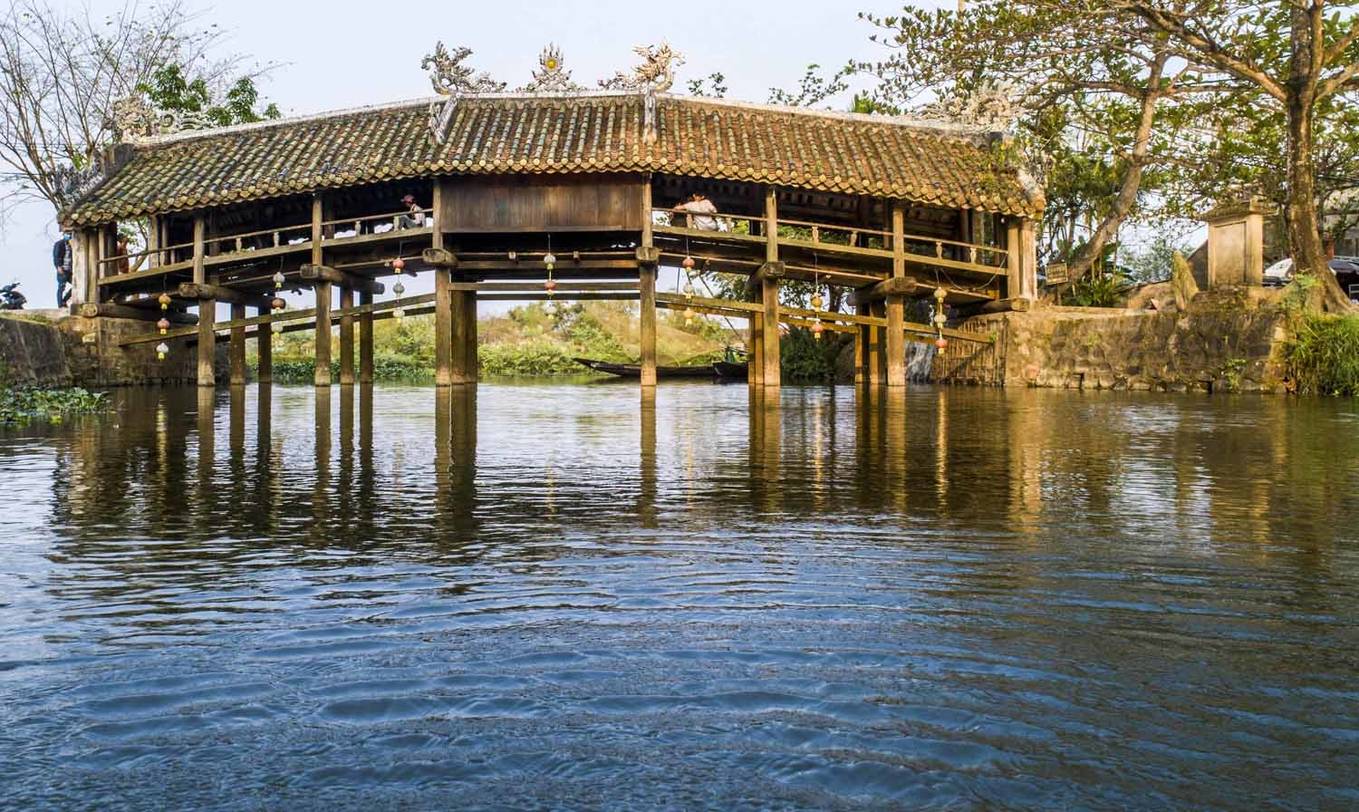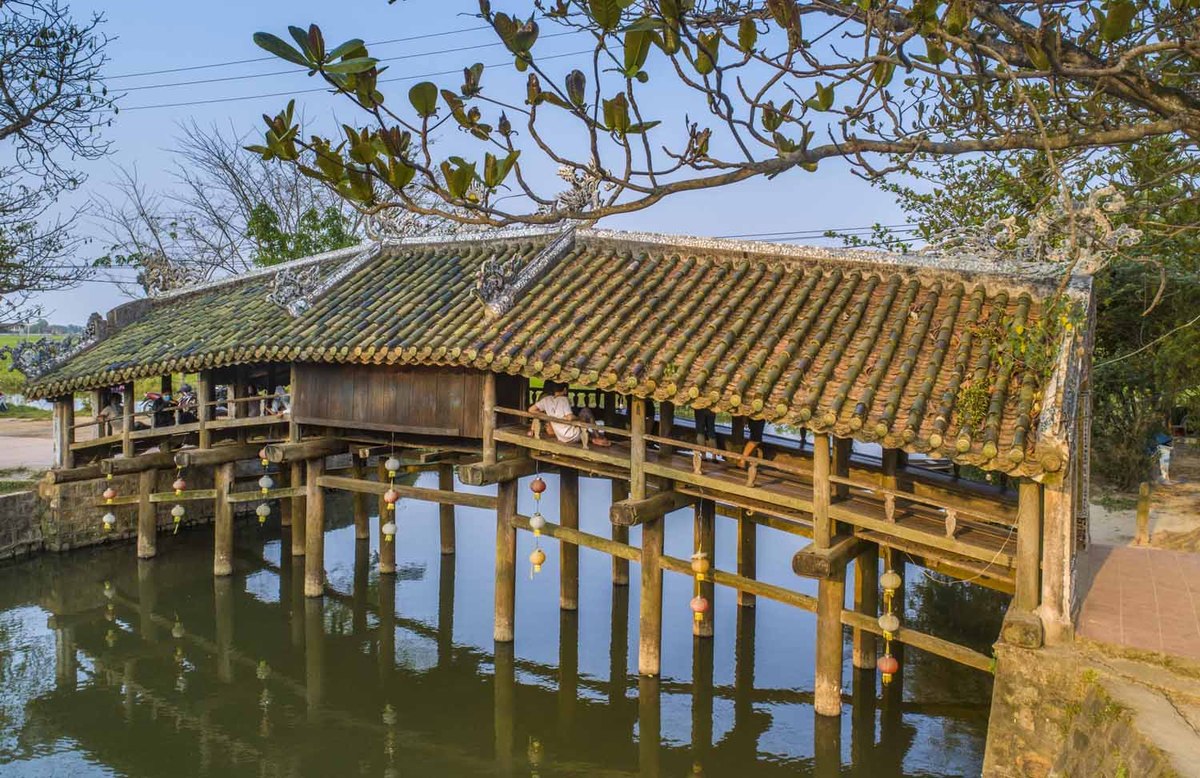
Location: Thanh Toan tile-roofed Bridge crosses a canal flowing from the beginning to the end of Thanh Toan Village, Thuy Thanh Commune, Huong Thuy District, Thua Thien Hue Province.
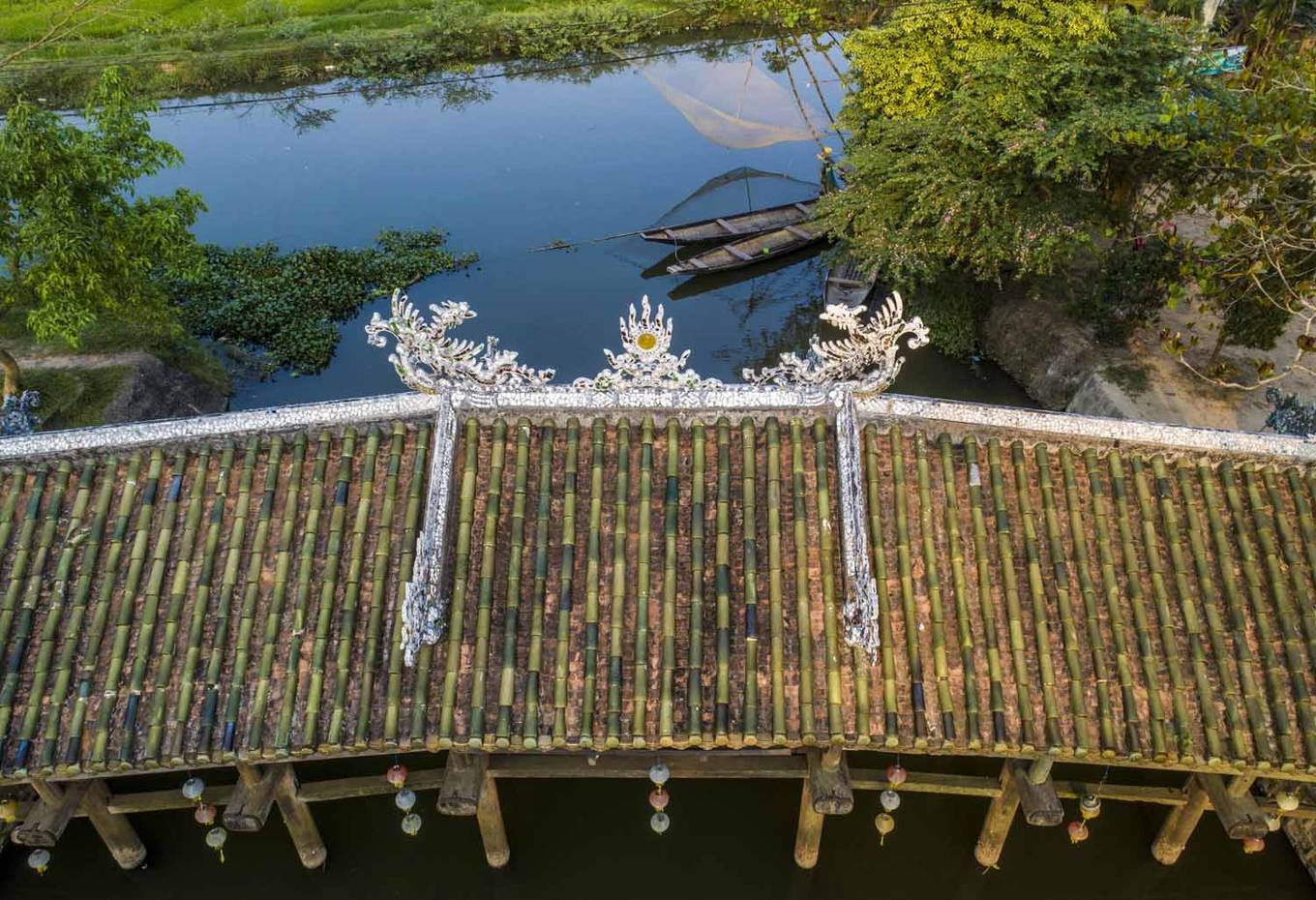
Characteristic: The Thanh Toan tile-roofed Bridge is an arched wooden bridge, 17m long and 4m wide. On both sides of the bridge length are 2 rows of wooden flat forms and parapets for people to lean their backs. The bridge is roofed with tubes.
Thanh Thuy Village was established in the 16th century. The village is about 8km from Hue City on the eastward. Among the emigrants from Thanh Hoa following Lord Nguyen Hoang to Thuan Hoa, there were 12 family heads who settled down there to be the 12 initial families of the village. One niece of the sixth generation of the Tran family - Mrs Tran Thi Dao - offered the fund to the village to build a wooden bridge so that the villagers on both sides of the canal could transport conveniently and benighted travellers could rest on their way. Mrs Tran Thi Dao was a childless wife of a high-rank mandarin in Le Hien Tong reign. She wanted to use her money for charity. In Canh Hung’s 37th year, Emperor Le Hien Tong granted the village a document to praise Mrs Tran Thi Dao and exempted the villagers from many taxes for them to remember her and to live after her example. In 1925, Emperor Khai Dinh also granted a document to bestow her "Duc Bao, Trung Hung Linh Pho" and to order the villagers to set up an altar on the bridge to worship her.
A researcher into Vietnamese ancient aesthetics - Louis Bezacier - classified Thanh Toan a rare and the most aesthetically valuable bridge among those of Vietnam. In the first half of the 20th century, there were the two most famous bridges of this style Phuc Toai and Phu Khe in the North, Thanh Toan in Hue and Nhat Ban (i.e. Lai Vien Kieu, also called Chua Cau) in Hoi An. The roofs of the bridges in the north are made of flat tiles, in the centre are made of tube tiles.
The Thanh Toan tile-roofed Bridge is not only an ancient architectural remain with highly historic and cultural values but also a tourist attraction. The bridge was built over 2 centuries ago and damaged many times by storms, floods and wars. However, after the bridge was destroyed, the villagers always contributed to repair, renovate and preserve it. The Thanh Toan Bridge with its tile-roof has entered into the moods and aspirations of many generations as well as inspired the poetic souls of the local people and visitors, their contents are still handed down among the people or engraved right on the bridge.
In September 1991, the bridge was greatly renovated according to the old design and officially accepted by the Ministry of Cultural and Information as national remains, a rare and appreciated beauty-spot of the whole country.
 Latest News
01/05/2026
When travelers think of Vietnam, names like Hanoi, Halong Bay, Hoi An, or Ho Chi Minh City often come to mind. These iconic destinations are popular for good reason. However, beyond the well-trodden routes lies another Vietnam — quieter, more authentic, and deeply connected to nature and local culture. For travelers who have already visited Vietnam or those seeking meaningful, off-the-beaten-path experiences, the country offers many lesser-known destinations that remain largely untouched by mass tourism. Here are some of Vietnam’s hidden gems worth discovering.
12/04/2025
Vietnam Airlines announced that starting May 17, 2025, all its domestic flight operations will be relocated to the newly opened Terminal T3 at Tan Son Nhat International Airport.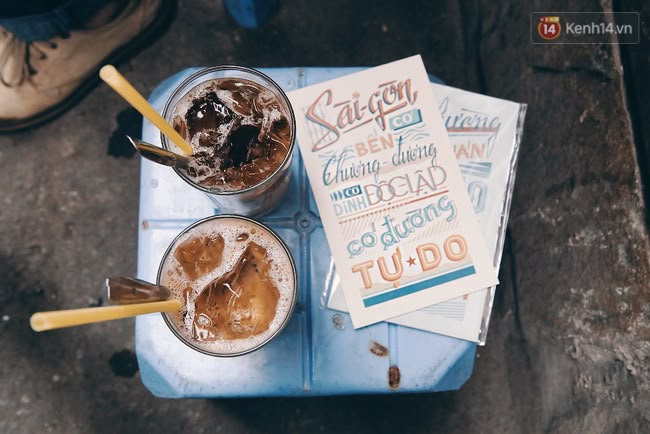
11/07/2025
In Vietnam, coffee is not merely a drink - it is a way of experiencing life. It is conversation, stillness, memory, rhythm, and a quite ritual that unfolds throughout the day. From the shaded sidewalks of Hanoi to the breezy riverside cafe in Saigon, coffee in Vietnam reflects the character of each region: refined, poetic, bold, and deeply personal. To travel through Vietnam is to follow the aroma of roasted beans, the whisper of coffee filters dripping slowly, and the soft clinking of glasses in morning life. Featured Tours