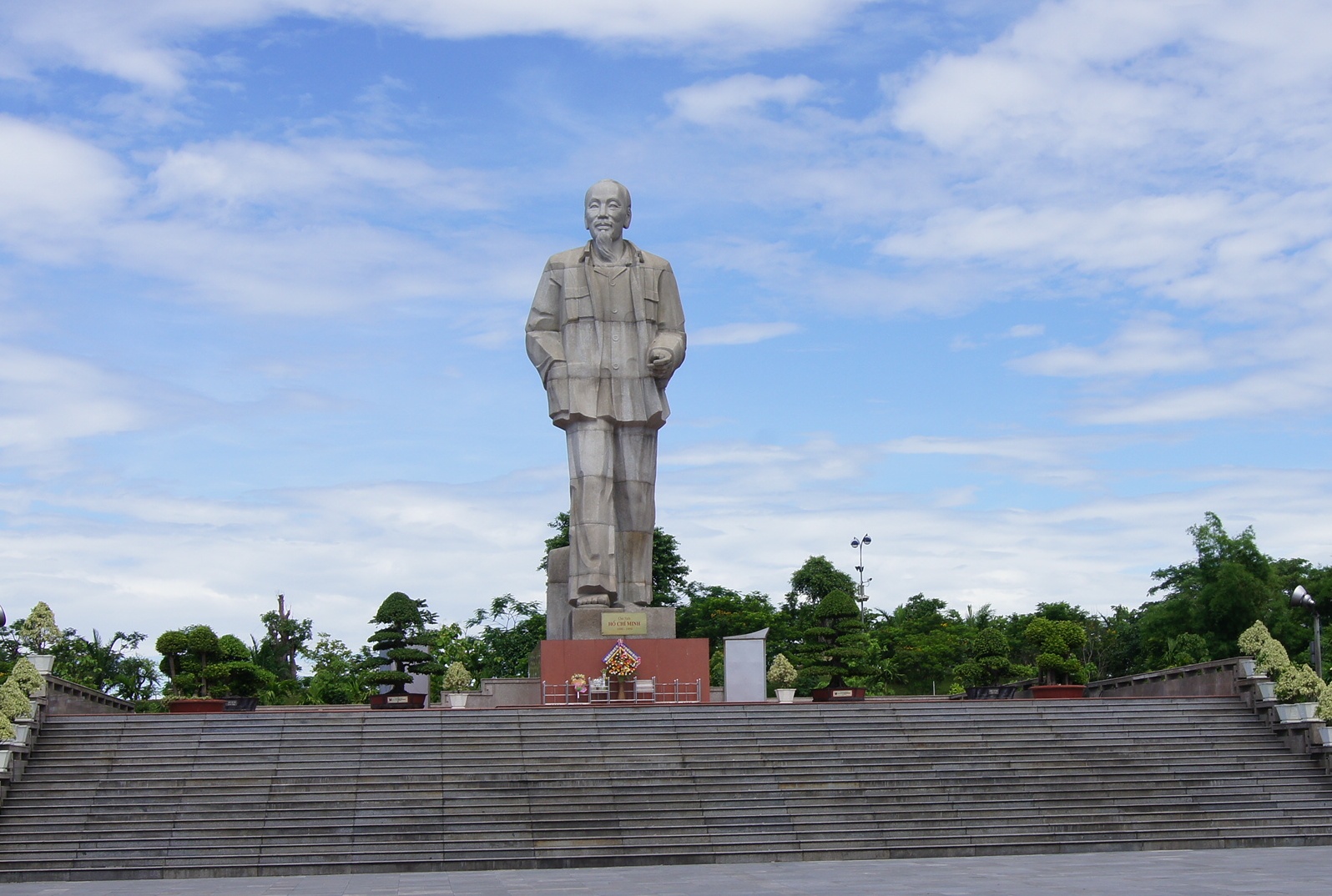
Location: The native land of President Ho Chi Minh is located in Kim Lien Commune, Nam Dan District, Nghe An Province.
Characteristics: This is the place where President Ho Chi Minh was born and spent his childhood time here.
Sen Village (the homeland of Ho Chi Minh’s father).
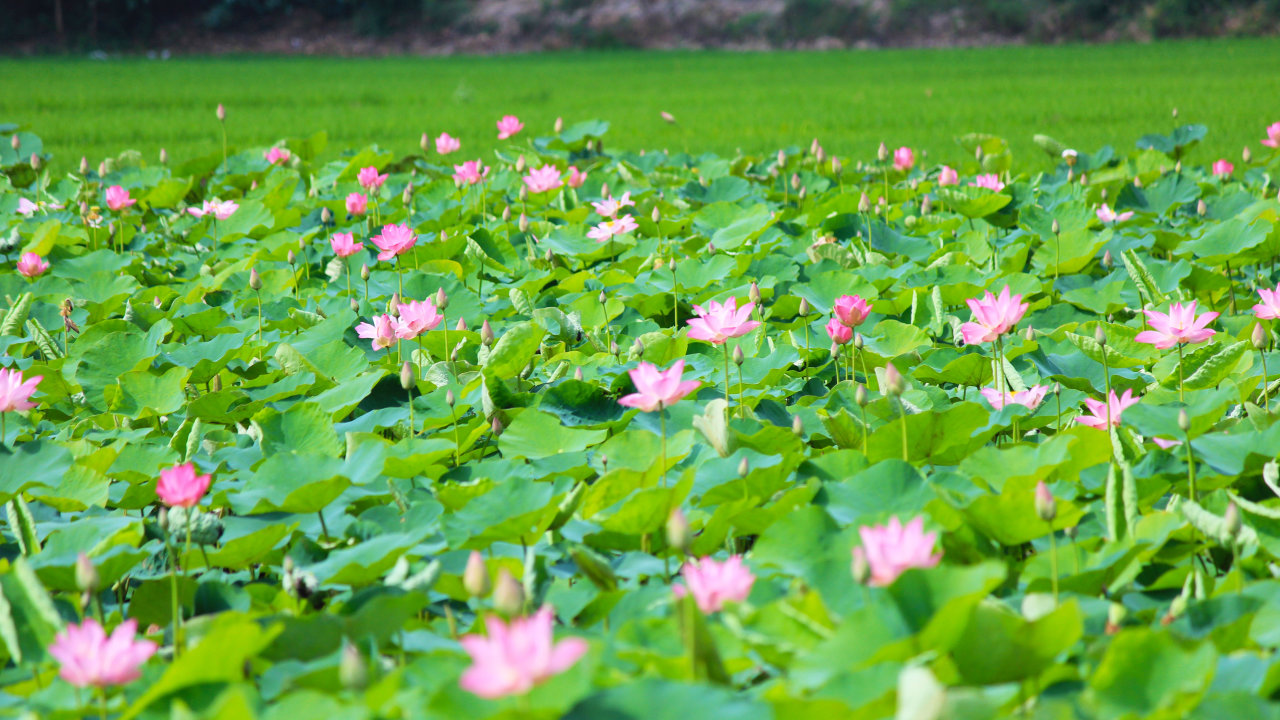
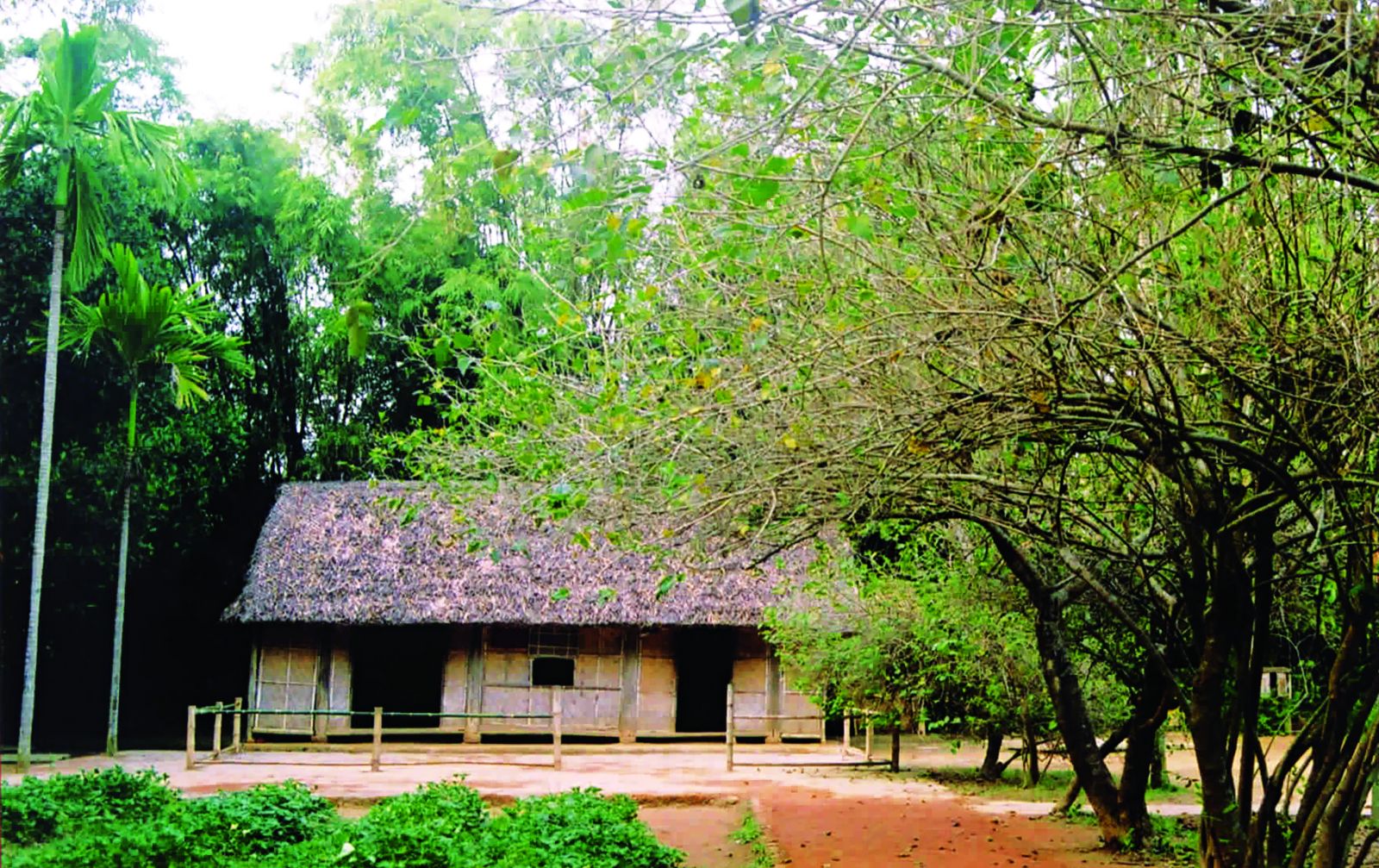
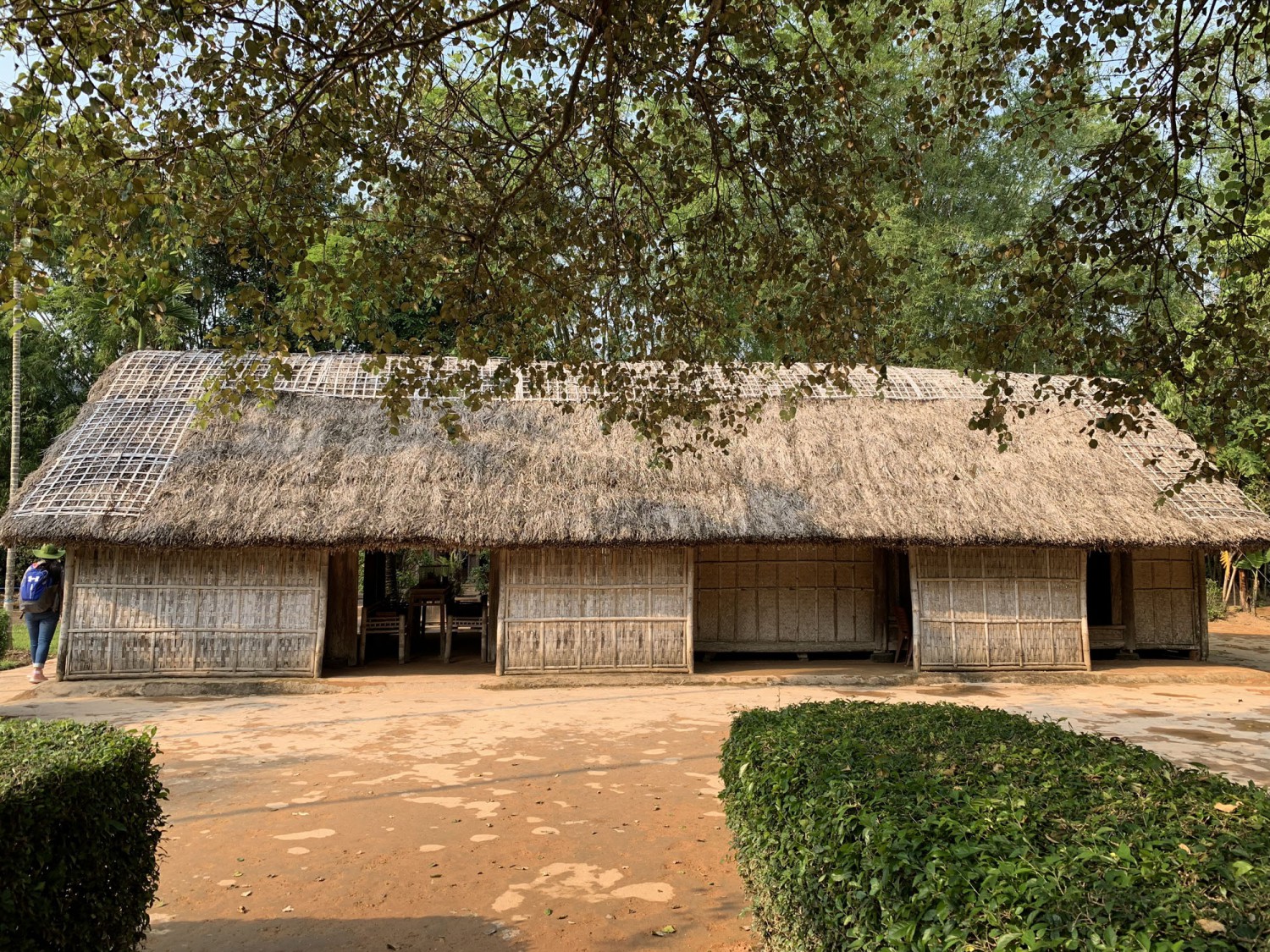
Starting from Vinh City, take Road No. 49 until the 13th km, then turn into a red earth path lined with eucalyptus and casuarinas trees. The path will lead you to Sen, also known as Kim Lien (Golden Lotus), village where there are many lotus ponds. The thatched cottage where President Ho Chi Minh used to live during his childhood is built from bamboo and wood. It has five compartments. The interior furniture is similar to that of other farmers’ houses: a wooden bed, a bamboo chong (a bamboo bed without raised walls at the two ends), a hammock made from hemp, and an altar. It was built in 1901 with the help and donations of the villagers as a present to Nguyen Sinh Sac, President Ho Chi Minh’s father, when he gained the doctoral title at the court exam, which glorified his village.
Chua Village (the homeland of Ho Chi Minh’s mother).
Located two kilometers from Sen Village, Chua Village is just as peaceful as any other Vietnamese villages. But it is famous, both domestically and internationally, as President Ho Chi Minh’s maternal homeland and the place where he was born and brought up by his mother.
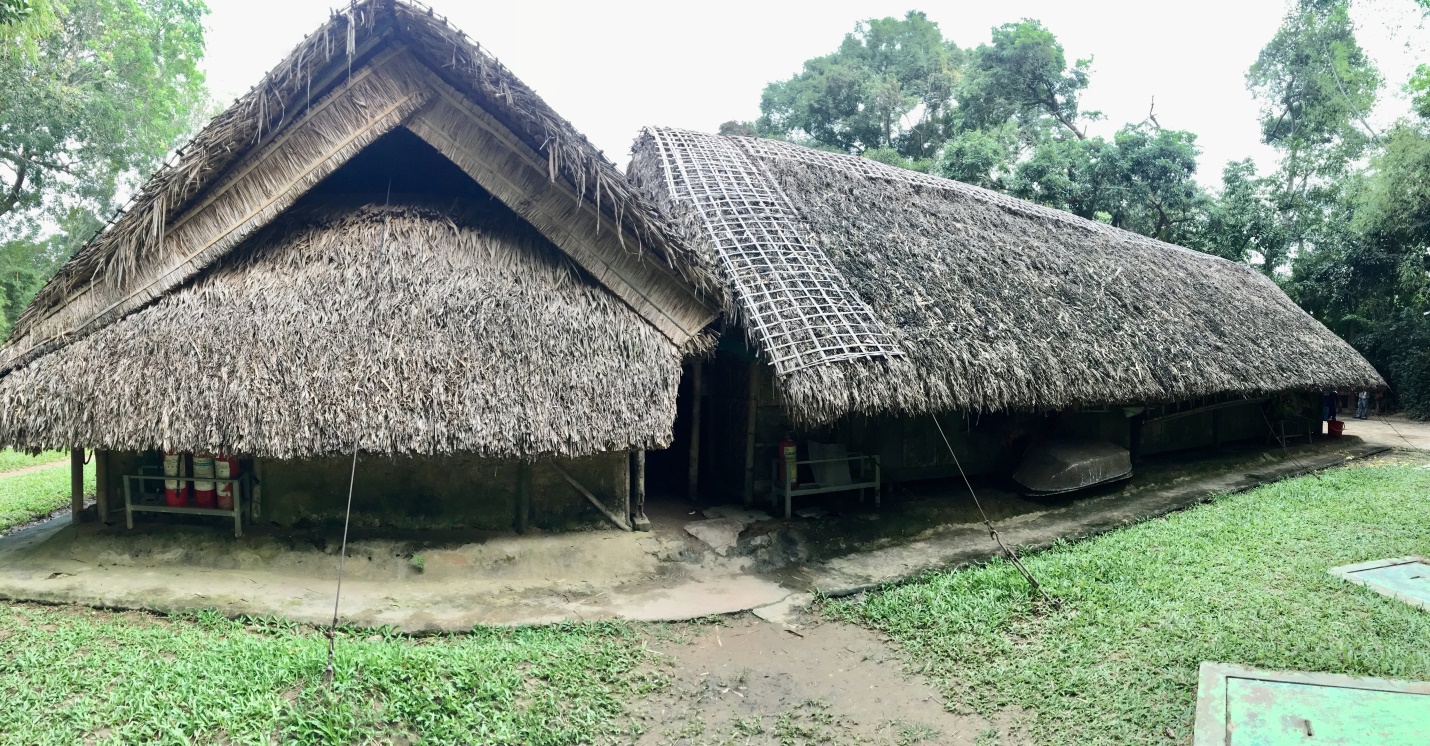
Walking through a bamboo gate and a path lined with low plums; visitors will see two simple thatched cottages, Ho Chi Minh’s house.
The Worship House - Mr. Hoang Duong’s House.
Mr. Hoang Duong, President Ho Chi Minh’s maternal grandfather, built this simple cottage in 1882 to make it a place for worshipping his paternal great grandfather, grandfather, and father. The altar is decorated in a simple but solemn fashion. Attractive to visitors is the pair of parallel sentences hung in the front of the house, which praise the family clan’s fame.
The house has five compartments and two lean-tos. Three outer compartments adjoin with the worship house; so it is well ventilated. Mr. Hoang Duong used to teach his students while sitting on the wooden bed placed in the first compartment.
In the second compartment, there is a bamboo sofa and a table where he placed his pen-brushes and ink-slab. He and his students would take a rest on the bed put in the third compartment.
The remaining two compartments were used as his wife’s bedroom and the family’s living room.
 Latest News
01/05/2026
When travelers think of Vietnam, names like Hanoi, Halong Bay, Hoi An, or Ho Chi Minh City often come to mind. These iconic destinations are popular for good reason. However, beyond the well-trodden routes lies another Vietnam — quieter, more authentic, and deeply connected to nature and local culture. For travelers who have already visited Vietnam or those seeking meaningful, off-the-beaten-path experiences, the country offers many lesser-known destinations that remain largely untouched by mass tourism. Here are some of Vietnam’s hidden gems worth discovering.
12/04/2025
Vietnam Airlines announced that starting May 17, 2025, all its domestic flight operations will be relocated to the newly opened Terminal T3 at Tan Son Nhat International Airport.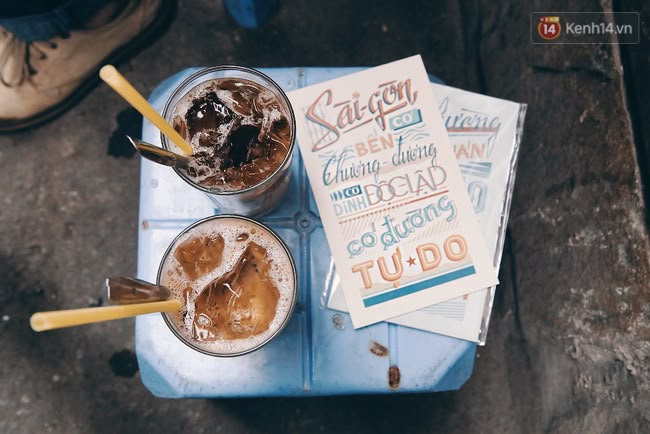
11/07/2025
In Vietnam, coffee is not merely a drink - it is a way of experiencing life. It is conversation, stillness, memory, rhythm, and a quite ritual that unfolds throughout the day. From the shaded sidewalks of Hanoi to the breezy riverside cafe in Saigon, coffee in Vietnam reflects the character of each region: refined, poetic, bold, and deeply personal. To travel through Vietnam is to follow the aroma of roasted beans, the whisper of coffee filters dripping slowly, and the soft clinking of glasses in morning life. Featured Tours