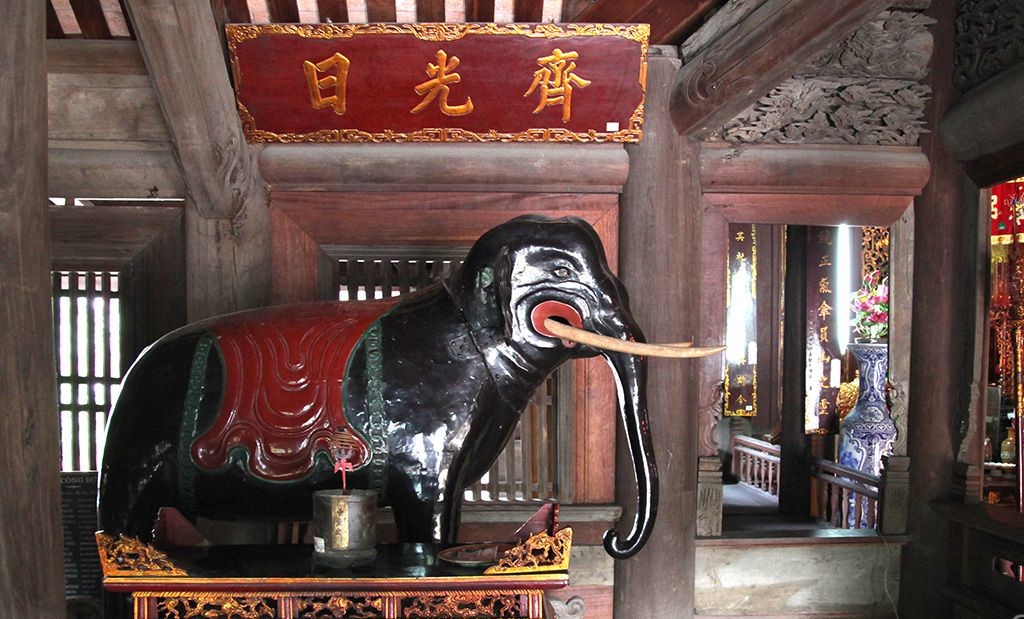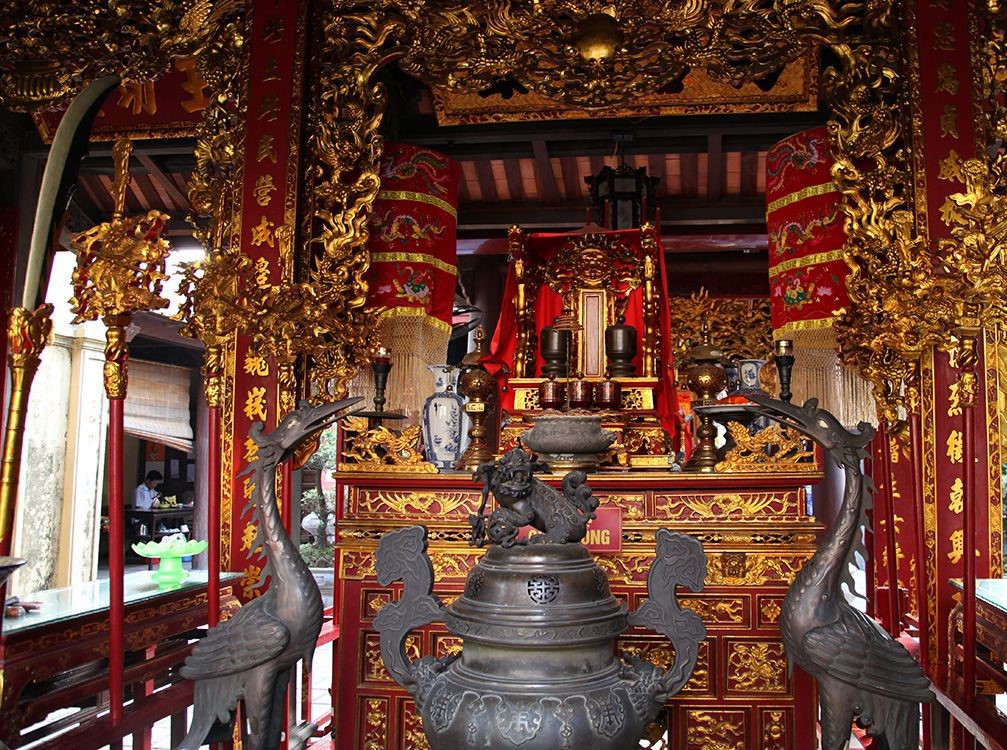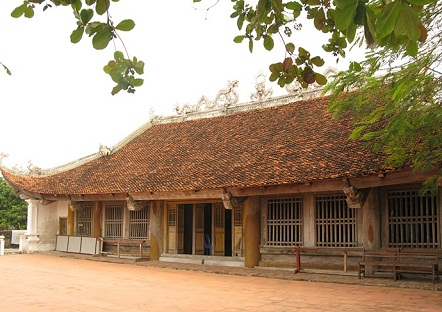
Location: Hang Kenh Communal House is situated in Du Hang Kenh Ward, Le Chan District, Hai Phong City.
Characteristics: It is famous for its valuable wooden sculptures.
Hang Kenh Communal House, also referred to as Nhan Tho Communal House in Sino-Vietnamese. Built in 1717, Hang Kenh Communal House was later expanded in 1905. The main front hall, also called “dai dinh", connects to the back part through a tiled roof bridge. There are lots of valuable items in the communal house, of which there are 156 pieces with a dragon as the main theme. Altogether, there are 308 dragons of different shapes and sizes. The pagoda also houses a statue of Ngo Quyen and a palanquin.
Every year from the 16th to 18th of the second lunar month, ritual ceremonies, festivals, traditional games and performances of “cheo", “tuong" and other folk songs are held at the communal house, attracting large crowds.
 Latest News
01/05/2026
When travelers think of Vietnam, names like Hanoi, Halong Bay, Hoi An, or Ho Chi Minh City often come to mind. These iconic destinations are popular for good reason. However, beyond the well-trodden routes lies another Vietnam — quieter, more authentic, and deeply connected to nature and local culture. For travelers who have already visited Vietnam or those seeking meaningful, off-the-beaten-path experiences, the country offers many lesser-known destinations that remain largely untouched by mass tourism. Here are some of Vietnam’s hidden gems worth discovering.
12/04/2025
Vietnam Airlines announced that starting May 17, 2025, all its domestic flight operations will be relocated to the newly opened Terminal T3 at Tan Son Nhat International Airport.
11/07/2025
In Vietnam, coffee is not merely a drink - it is a way of experiencing life. It is conversation, stillness, memory, rhythm, and a quite ritual that unfolds throughout the day. From the shaded sidewalks of Hanoi to the breezy riverside cafe in Saigon, coffee in Vietnam reflects the character of each region: refined, poetic, bold, and deeply personal. To travel through Vietnam is to follow the aroma of roasted beans, the whisper of coffee filters dripping slowly, and the soft clinking of glasses in morning life. Featured Tours